
Residential Treatment

Daily Life in an Oregon Residential Treatment Facility

Structure and predictability support recovery. This overview describes what residents can generally expect from a day in a residential mental health setting.

Reviewed by Northvale Behavioral Health Clinical TeamLast updated July 20266 min read
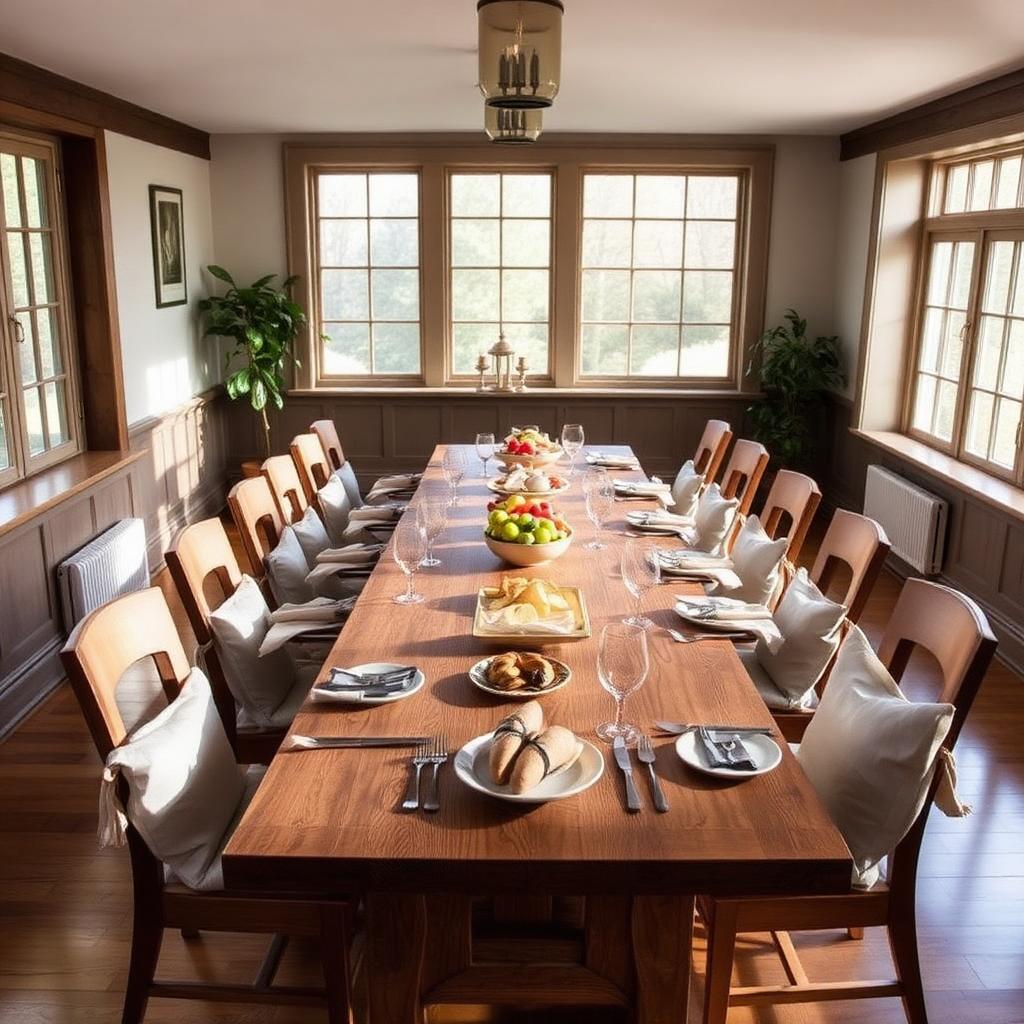
Representative image for Residential Treatment

Mornings

Mornings usually include waking, personal hygiene, breakfast, and morning medication support. Staff are available to help residents start the day at a comfortable pace.

Daytime programming

  • Skill-building groups (cooking, budgeting, communication, coping skills)
  • One-on-one time with staff
  • Time outdoors and in shared living spaces
  • Appointments with outpatient providers as scheduled
  • Community outings when clinically appropriate

Evenings

Evenings tend to be quieter — shared meals, downtime, evening medications, and a wind-down routine that supports healthy sleep.

Quiet time and personal space

Residents have time and space that belongs to them. Recovery is not only groups — it is also rest, hobbies, journaling, phone calls with loved ones, and simply being at home.

This resource is provided for general educational purposes and does not replace professional medical, behavioral health, legal, or emergency advice.

Daily LifeStructureProgram

Keep reading

Related resources

Browse all →

Next step

Have questions about residential treatment or referrals?

Speak with our admissions team or begin a professional referral. We'll walk you through what to expect and whether our program is an appropriate fit.

Referral CTA

Professional Referrals Made Simple

Our admissions team works with hospitals, providers, case managers, families, and community partners to coordinate thoughtful, unhurried transitions into residential care.

Not for Emergencies

Referral forms are not monitored for emergencies. If someone is in immediate danger, call 911. For a mental health crisis, call or text 988.